Beyond the Big Four: A Bird Watcher's Guide to the 215+ Species of Yala National Park

Amelia Rose
Travel Writer
While Yala National Park is rightfully famous for its leopards, sloth bears, and elephants (the "Big Three," plus the water buffalo), it is equally a paradise for ornithologists and casual bird watchers. Home to over 215 recorded bird species, Yala’s diverse habitats from lagoons and mudflats to scrub forest and rocky outcrops create a vibrant ecosystem where endemic, resident, and migratory birds thrive.
If you carry binoculars as readily as a camera, this guide will help you navigate Yala’s landscape and maximize your sightings of its incredible avian residents.
Where to Find Yala’s Feathered Residents
Successful birdwatching is all about targeting the right habitat at the right time. Yala’s landscape is segmented, offering distinct environments for different species.
The Aquatic Hotspots: Lagoons and Tanks
The many perennial water tanks (wewa) and coastal lagoons (like Buttuwa and Pilinnawa) are where the action is concentrated. These areas are vital for wading birds, fish-eaters, and raptors.
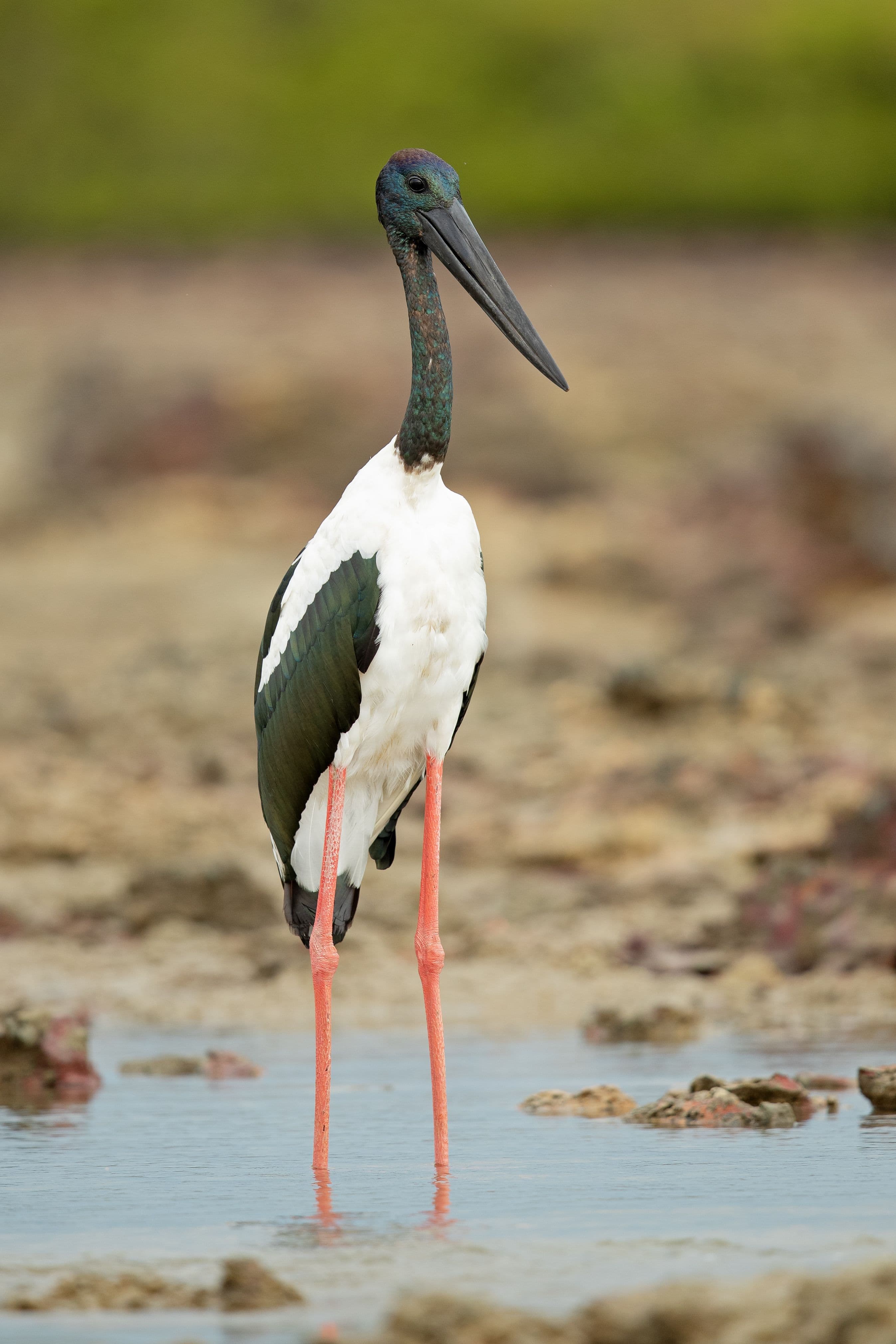
- Waders and Storks: Look for the magnificent Black-necked Stork, the tallest bird in Sri Lanka, alongside the brightly coloured Painted Stork and the elegant Eurasian Spoonbill.
- Pelicans and Cormorants: The Great White Pelican and various species of cormorant are abundant, often found fishing in synchronized groups in the larger bodies of water.
Coastal and Open Scrubland
The open dry zone scrub and the coastline offer excellent visibility for terrestrial birds and raptors.
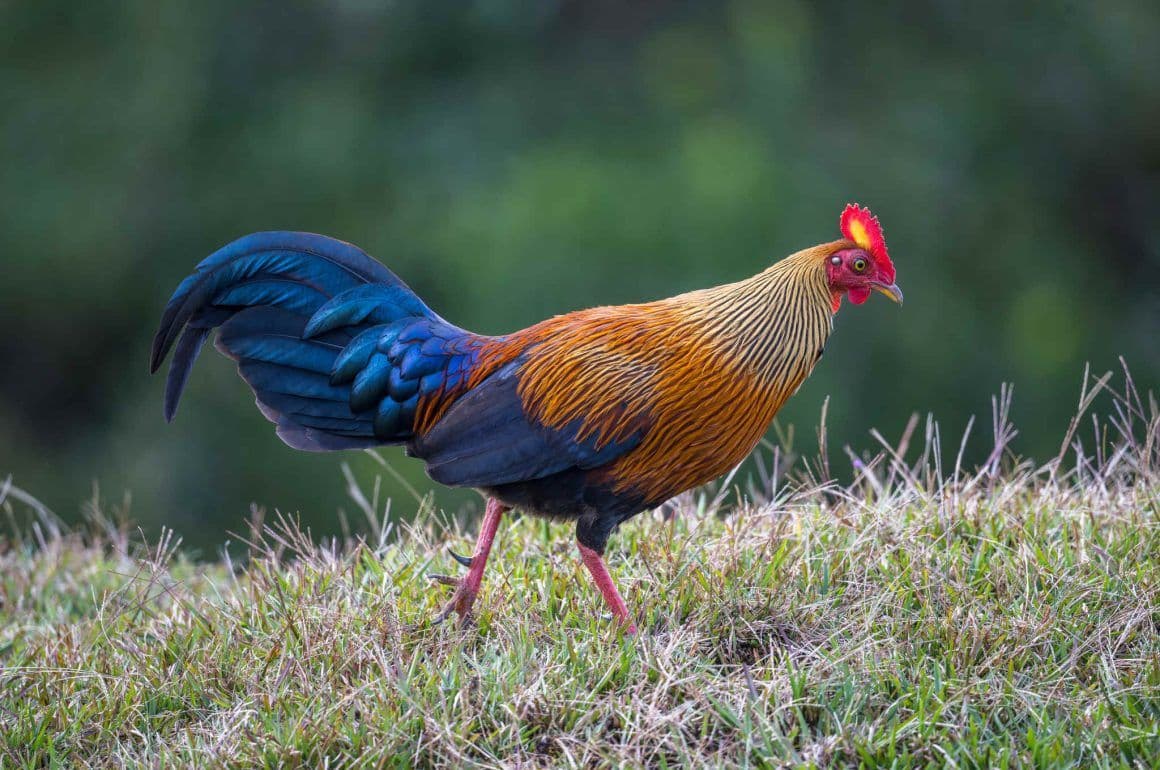
- Endemics and Residents: Keep an eye out for the endemic Sri Lanka Junglefowl (the national bird), which often darts across the tracks, and the striking Indian Peafowl, found strutting throughout the park.
- Raptors: Yala is a vital raptor habitat. Scan the tops of dead trees or telephone poles for species like the Crested Serpent Eagle or the majestic White-bellied Sea Eagle patrolling the coastline.
Timing and Essential Equipment
To ensure a productive birding safari, preparation is key.
The Best Time for Birding
The absolute best time to visit Yala for birds is during the migratory season, which runs from October to April. During this period, hundreds of species fly south from cooler climates, dramatically increasing the park’s bird population and diversity.
Essential Gear and Strategy
- Binoculars (Mandatory): Good quality binoculars are non-negotiable, as many birds are small or stay deep within the foliage.
- Field Guide: Bring a specific guide to the birds of Sri Lanka or the Indian subcontinent to help you quickly identify unique markings and species.
- Silence and Patience: Unlike leopard spotting, birding requires moving slowly and stopping frequently. Instruct your driver to move quietly near waterholes and turn off the engine when a large flock is encountered.
Birding Beyond Block 1: The Bundala Alternative
While Yala Block 1 is productive, serious birders often spend a day at Bundala National Park, located just a short distance west of Yala.
Bundala is a world-renowned Ramsar Wetland Site, explicitly designated for its importance to migratory aquatic birdlife. It sees fewer tourist jeeps and offers unparalleled opportunities for close-up sightings of flocks of flamingos (seasonally), various species of plovers, and terns. Combining Yala and Bundala offers the most comprehensive birding experience in the region.
Yala Birding Checklist
- Visit between October and April for the best migratory sightings.
- Focus your search around the large water tanks and coastal lagoons.
- Carry high-quality binoculars and a field guide.
- Look for the Sri Lanka Junglefowl and Black-necked Stork.
- Consider adding Bundala National Park to your itinerary for waders.
Enjoyed this story? Share it
About the Author
Amelia Rose
A passionate wildlife explorer and travel storyteller dedicated to uncovering the wild secrets, majestic leopard trails, elephant migrations, and the vibrant untamed beauty of Yala National Park — the wild heart of Sri Lanka.