The Chena Lunch Experience: Eating a Traditional Field-Fresh Meal in a Yala Village Hut

Ethan Miller
Travel Writer
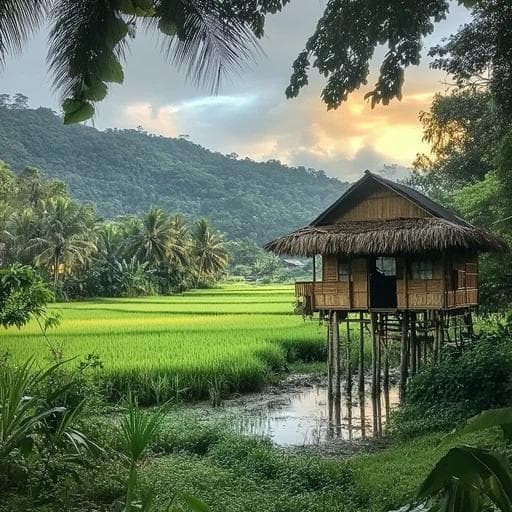
After the thrill of Yala's safari tracks, the Chena Lunch offers a slow, tranquil journey into the heart of Sri Lankan rural tradition. Chena refers to a traditional form of shifting cultivation: a temporary field carved out of the forest edge. The meal prepared and eaten here is the definition of "field to table," showcasing the simple, fresh, and hearty cuisine that has sustained farmers for centuries.
If you are looking for an experience that contrasts sharply with the luxury safari lodge and takes you deep into the culture of the Yala hinterland, this unique lunch is an absolute must-do.
The Legacy of Chena Cultivation
To understand the lunch, you must first understand the chena lifestyle. Traditionally, chena farming involves clearing a small patch of forest, cultivating it for a season or two with grains, chillies, and vegetables, and then leaving it fallow to allow the forest to regenerate. This ancient practice is closely linked to the history of the dry zone.
The Farmer's Hut (Pelpol)
The dining setting is typically a simple, rustic thatched-roof hut or a small wooden watchtower (pelpol) built on stilts. These structures were originally used by farmers to guard their crops against animals like elephants and wild boar at night. Eating lunch here provides an authentic sense of the farmer’s routine, overlooking the very fields where your food was grown.
The Meal: Freshness and Rustic Flavors
The Chena meal is distinct because of its absolute freshness and its reliance on specific dry zone crops and cooking methods. Everything is prepared using traditional methods: over an open firewood hearth, often in clay pots.
Core Elements of the Meal
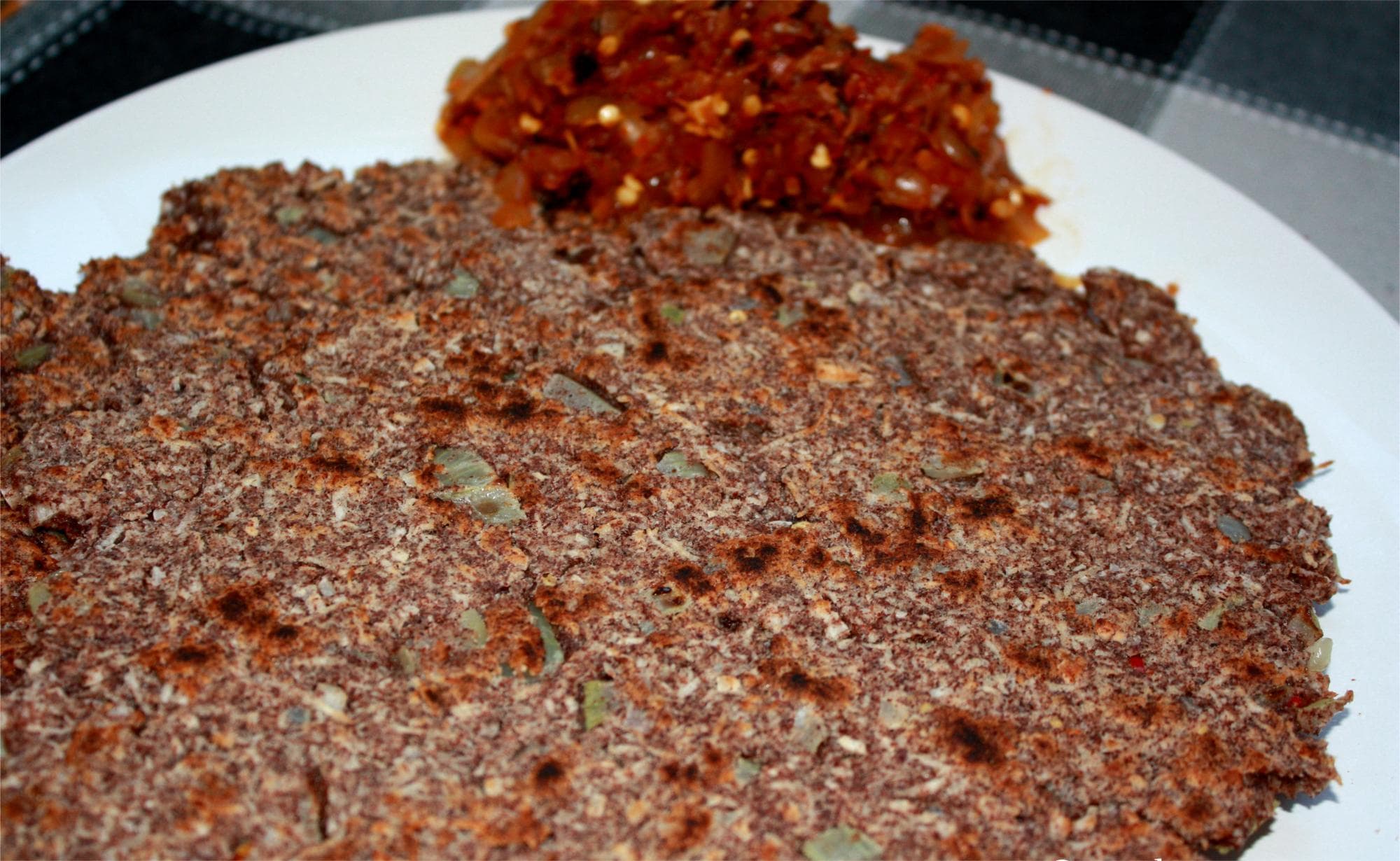
- Kurakkan Roti (Finger Millet Flatbread): This is the signature starch of the dry zone. Made from kurakkan (finger millet), these flatbreads are dense, highly nutritious, and possess a unique earthy flavour that pairs wonderfully with spicy curries.
- Fresh Vegetable Curries: The focus is on what was harvested that morning. Expect small, flavourful curries made from pumpkin, beans, drumsticks, or yam. They are often less rich in coconut milk than coastal curries, emphasizing the spice and the vegetable itself.
- Wild Greens and Sambols: A staple is a salad or malluma (finely shredded green leaves with coconut) made from foraged wild leaves (thebu or gotu kola) or garden chillies (kochchi). These provide a burst of raw, fresh flavour and vitamins.
- The Protein: If meat is included, it typically represents the local environment, perhaps a simple fish curry from the local tank (reservoir) or, traditionally, sun-dried meats.
How to Experience the Chena Lunch
Since Chena is a traditional, decentralized practice, you won't find this experience listed on a standard restaurant menu.
- Eco-Lodges and Camps: Many high-end and eco-conscious safari lodges partner directly with nearby villages and farmers to offer this experience to their guests, ensuring the money goes back to the local community.
- Local Guides: A reputable local safari guide or a driver who lives in Tissamaharama may have connections to a family farm that offers an authentic setup.
- Booking: Always book the experience at least a day in advance, as the meal requires time to source the freshest ingredients and set up the remote location.
This meal is more than just food; it is a moment to slow down, connect with the landscape, and appreciate the simple, enduring traditions of the Ruhuna region.
Chena Lunch Experience Checklist
- Book this experience through a reputable local guide or your eco-lodge.
- Prepare for a rustic, outdoor dining environment.
- Must-try dishes include Kurakkan Roti and fresh Wild Greens.
- The experience offers a deep connection to the dry zone's traditional farming culture.
- Lunch is often served in a farmer's hut overlooking the fields.
Enjoyed this story? Share it
About the Author
Ethan Miller
A passionate wildlife explorer and travel storyteller dedicated to uncovering the wild secrets, majestic leopard trails, elephant migrations, and the vibrant untamed beauty of Yala National Park — the wild heart of Sri Lanka.