The Elephant Corridor: Exploring Lunugamvehera National Park as a Quieter Alternative to Yala

Ella Thompson
Travel Writer
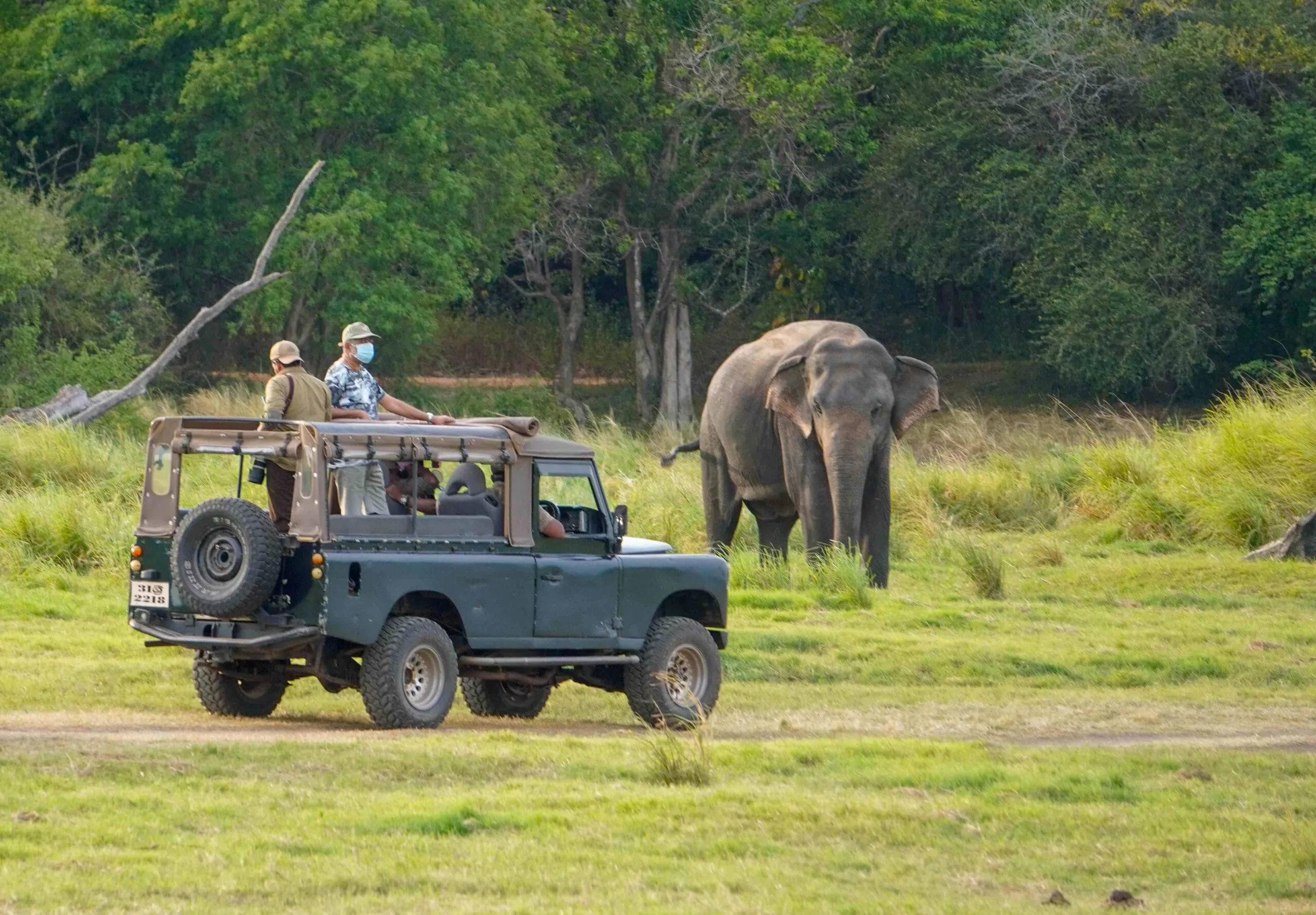
For many travelers, a safari in Yala National Park is synonymous with spotting the leopard. But for those who prioritize tranquility, large elephant herds, and an escape from the crowds of jeep convoys, the answer lies in its quieter, larger neighbour: Lunugamvehera National Park.
Lunugamvehera is one of Sri Lanka’s best kept secrets. It serves a crucial ecological role as a migratory route and ecological corridor, offering a serene safari experience where the journey often feels as rewarding as the destination.
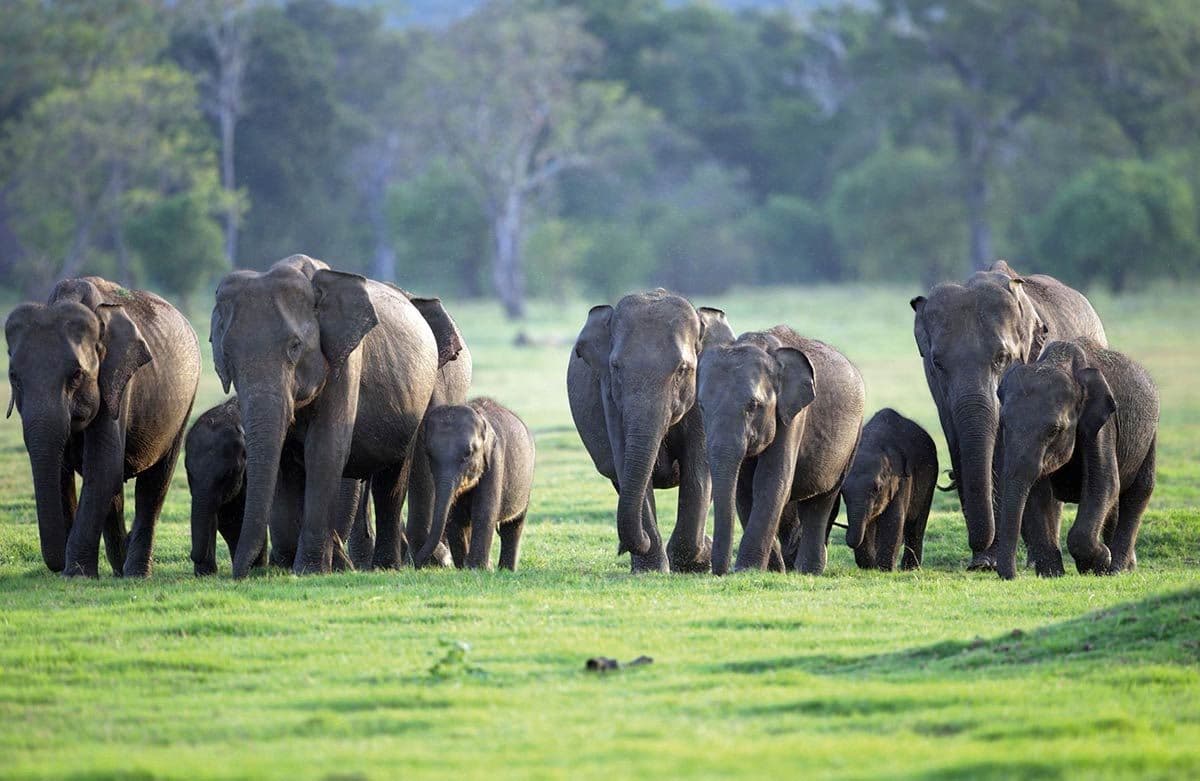
The Vital Link: An Ecological Corridor
Lunugamvehera was established in 1995 primarily to protect the catchment area of the Lunugamvehera Reservoir and, crucially, to serve as a bridge between two massive ecological zones.
Connecting the Giants
- The Migration Route: This park acts as a vital corridor linking the elephant populations of Yala National Park (to the East) with those of Udawalawe National Park (to the West). This makes it an essential space for the long-term survival and genetic diversity of Sri Lanka’s wild elephants.
- The Lunugamvehera Reservoir: The park surrounds and encompasses this massive reservoir, creating a major year round water source that draws large herds of elephants, particularly during the dry season.
Why Choose Lunugamvehera Over Yala Block 1?
If your goal is photography and intimacy with nature rather than checking off the 'Leopard' box, this park offers compelling advantages.
Tranquility and Intimacy
The primary draw is the scarcity of human visitors. While Yala Block 1 can see up to 40-50 jeeps during a single session, Lunugamvehera is often visited by only a handful of jeeps per day. This translates to pristine, dust-free tracks, extended private viewing time with animals, and a deep sense of being alone in the wilderness.
The Elephant Experience
While leopards are present, they are far more difficult to spot due to the lower road density and denser vegetation. However, your chances of seeing large, undisturbed herds of elephants bathing or feeding on the reservoir banks are exceptionally high. The lack of safari pressure means the elephants are generally more relaxed and tolerant of viewers.
Landscape and Wildlife Beyond Elephants
The park’s landscape is typical of the dry zone, consisting of scrub jungle, grassy plains, and extensive wetlands created by the reservoir.
- Mammals: Beyond the elephants, the park is home to water buffalo, wild boar, spotted deer, and numerous species of monkeys. You will also spot crocodiles sunning themselves on the banks of the reservoir.
- Birdlife: The reservoir and associated wetlands attract diverse aquatic birdlife, including several species of storks, pelicans, and raptors, making it a smaller, quieter birding destination compared to Bundala.
Practical Tips for Your Visit
- Access: The park can be accessed from the North (near the town of Thanamalwila) or the West (near Udawalawe). Access from the Yala side is less common but possible through specialized long-route safaris.
- Best Time: The dry season (June to September) is often the best time for visibility, as elephants congregate near the shrinking water sources.
- Booking: Use an experienced local operator based in the Tissamaharama or Udawalawe area, as the tracks are less frequently used and require more localized knowledge.
Lunugamvehera Safari Checklist
- Choose this park if you seek tranquility and solitude over crowds.
- The focus is on large, undisturbed elephant herds.
- It serves as a vital ecological corridor between major parks.
- The Lunugamvehera Reservoir is the main wildlife magnet.
- Best visited during the dry season (June-September) for elephant sightings.
Enjoyed this story? Share it
About the Author
Ella Thompson
A passionate wildlife explorer and travel storyteller dedicated to uncovering the wild secrets, majestic leopard trails, elephant migrations, and the vibrant untamed beauty of Yala National Park — the wild heart of Sri Lanka.