The Sacred City: A Pilgrim's Guide to Visiting Kataragama Devalaya and Kiri Vehera

Sayumi De Silva
Travel Writer
Located just a short drive from the entrance of Yala National Park, Kataragama offers a profound contrast to the wilderness: a thriving center of multi-religious devotion and ancient history. For centuries, this sacred city has drawn pilgrims from all corners of Sri Lanka and beyond, uniting Buddhists, Hindus, Muslims, and the indigenous Vedda people in shared worship.
A visit here is not just an attraction; it is an immersive experience in Sri Lankan spirituality. This guide details the two main sites you must see, the best time to visit, and essential etiquette for your pilgrimage.
The Kataragama Devalaya: A Shared Sanctuary
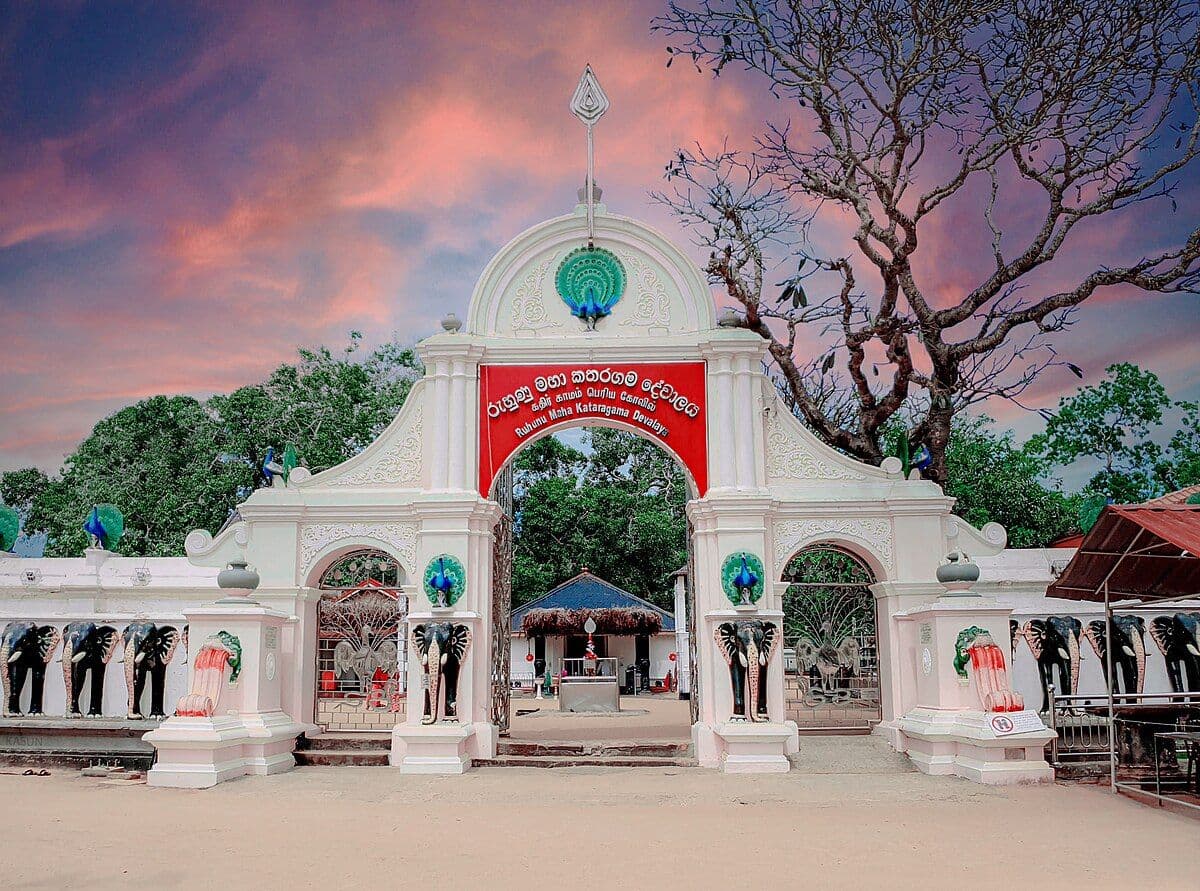
The main complex, the Kataragama Devalaya, is dedicated to the revered deity Skanda-Murugan (known as Kataragama Deviyo in Sinhala). What makes this site truly unique is its inclusive nature, serving multiple faiths simultaneously.
The Heart of Worship
The central shrine, known as the Maha Devalaya, is small and unassuming, holding the mystical relic box rather than a statue of the deity. The environment is vibrant and sensory, filled with the aroma of incense, the sound of traditional drumming, and the sight of devotees bringing offerings.
- Offerings (Pooja): Devotees typically bring baskets of fruit, flowers, and other items to be presented to the deity during the scheduled offering times.
- Daily Rituals: The pooja ceremonies are the highlight of the visit. These rituals occur three times a day morning, midday, and evening and witnessing one is highly recommended. The atmosphere during the evening ceremony is particularly captivating.
Kiri Vehera: The Ancient White Stupa
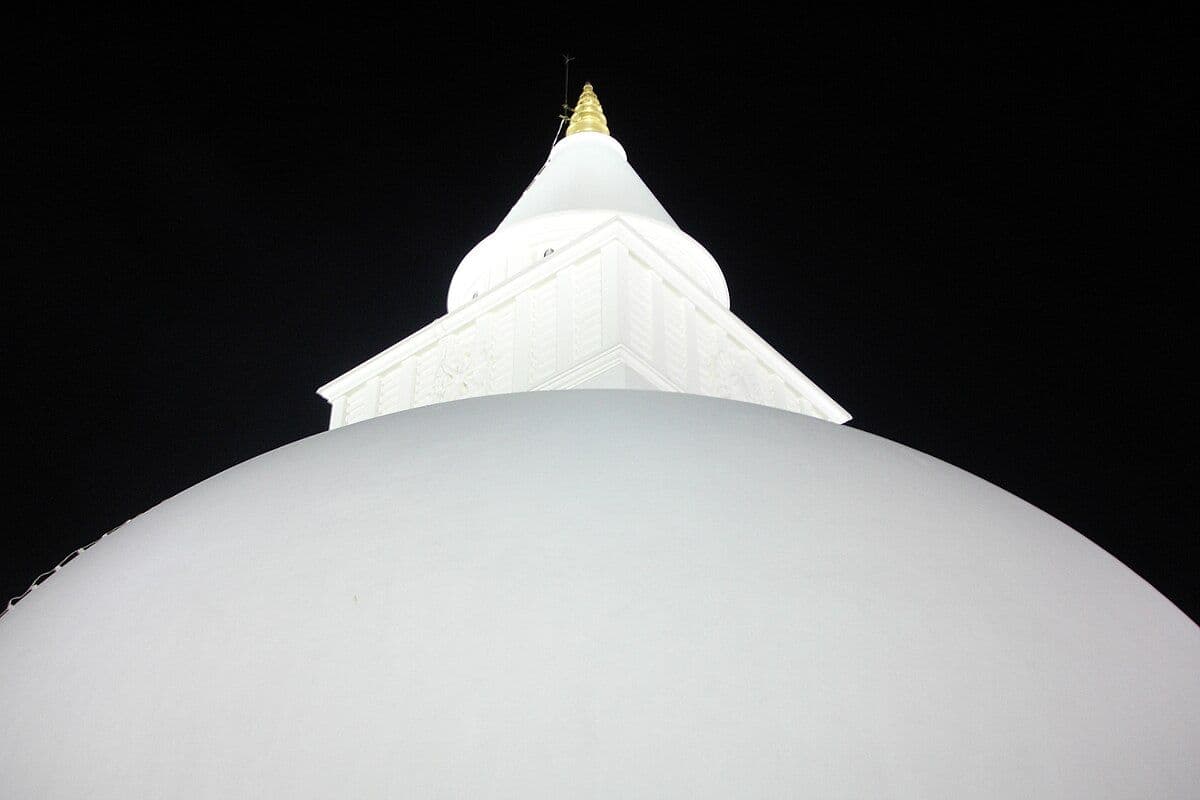
A short walk or drive from the Devalaya complex stands the magnificent Kiri Vehera, an ancient white stupa dating back to the 3rd century BC.
Buddhist Significance
The stupa is believed to have been built by King Mahasena and is one of the island's most revered Buddhist monuments. It is said to mark a spot where the Buddha himself meditated during his final visit to Sri Lanka.
- Architecture: The pristine white dome of Kiri Vehera stands in stark contrast to the surrounding green trees, creating a powerful and serene visual impact.
- The Procession Path: Devotees walk clockwise around the stupa, often carrying lotus flowers or jasmine garlands. The tranquil setting here offers a moment of peaceful contemplation, contrasting with the high energy of the Devalaya.
Practical Tips for Visitors and Essential Etiquette
Respecting the local customs is crucial to enjoying your visit to this sacred location.
Attire and Footwear
- Modesty: As a mark of respect, all visitors must dress conservatively. Shoulders and knees must be covered. For men, a shirt and sarong or trousers are appropriate. For women, a sari, long skirt, or long trousers/dress is required.
- Shoes and Hats: Shoes and hats must be removed before entering any of the sacred areas, including the Devalaya complex and the Kiri Vehera grounds.
The Right Time to Visit
Plan your visit to coincide with one of the daily pooja times, which are usually around 9:30 AM, 4:30 PM, and 6:30 PM. These times may vary slightly seasonally. If you are staying nearby, the evening ceremony is the most atmospheric, lit by oil lamps and vibrant with sound.
The Manik Ganga River
Before entering the main temple area, pilgrims often bathe or wash their feet in the Manik Ganga (Jewel River). Tourists should also wash their hands and feet here as a symbolic act of purification before entering the Devalaya.
Kataragama Visit Checklist
- Plan your visit around the Pooja times for the best experience.
- Dress Modestly (shoulders and knees covered).
- Remove Shoes and hats before entering the sacred areas.
- Carry a small offering (fruit or flowers) if you wish to participate in the Devalaya ritual.
- Visit Kiri Vehera for a moment of quiet historical contemplation.
Enjoyed this story? Share it
About the Author
Sayumi De Silva
A passionate wildlife explorer and travel storyteller dedicated to uncovering the wild secrets, majestic leopard trails, elephant migrations, and the vibrant untamed beauty of Yala National Park — the wild heart of Sri Lanka.