The Ultimate Leopard Quest: Maximize Your Chances of Spotting the Elusive Sri Lankan Leopard in Yala

Sahan Jayasuriya
Travel Writer
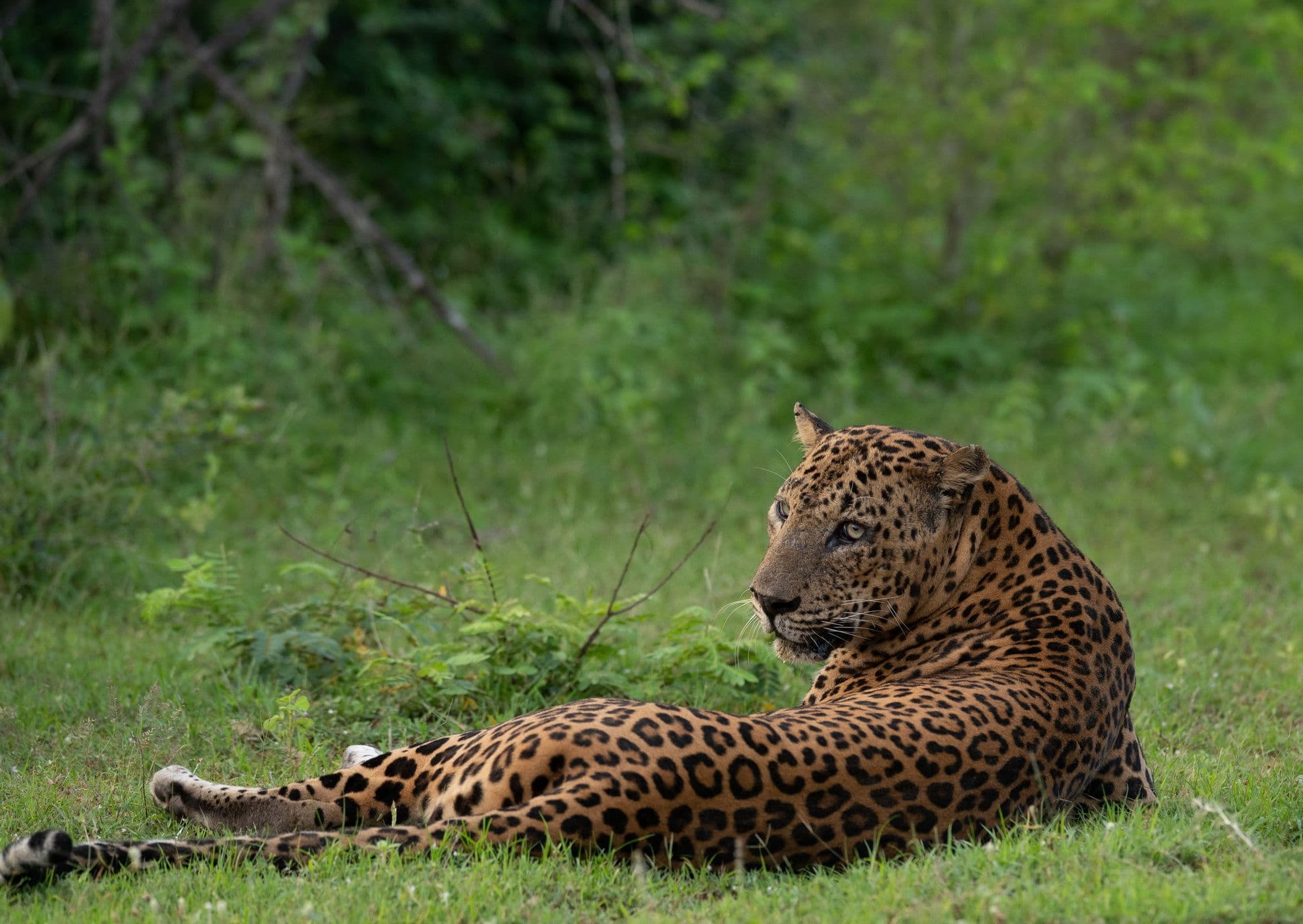
The Sri Lankan leopard (Panthera pardus kotiya) is the island nation's apex predator and arguably the most coveted wildlife sighting in Asia. Yala National Park is legendary, boasting one of the highest densities of leopards in the world. Yet, these magnificent cats remain elusive masters of camouflage. Seeing one is never guaranteed, but it is a reward for patience, knowledge, and strategic planning.
If you are embarking on a safari, this comprehensive guide provides the vital strategies and insider tips used by professional trackers to significantly increase your odds of witnessing Yala’s beautiful, solitary hunters.
Phase 1: Strategic Timing and Location
The single biggest factor in your quest is controlling the when and where of your search.
The Golden Hours: Time of Day is Crucial
Leopards are primarily crepuscular, meaning their peak activity aligns with the cooler, lower light conditions of dawn and dusk. This is when they are actively hunting, moving between territory, or seeking water.
- Morning Safari: The first two hours after sunrise (6:00 AM – 8:30 AM) are excellent. The cool temperature encourages leopards to move before seeking the dense, shady cover they occupy during the heat of the day.
- Afternoon Safari: The last two hours before sunset (4:00 PM – 6:30 PM) are often the best. As the temperature drops, the leopards emerge from their daytime dens to hunt or mark territory.
Location, Location, Location: Focus on Yala Block 1
While Yala encompasses multiple zones, Block 1 (Ruhuna National Park) remains the focus for leopard sightings due to its accessibility and the sheer concentration of the cats.
- The Rocky Outcrops (Gala): These large, smooth granite formations are critical. Leopards frequently use them as sunbathing spots, lookout towers for scouting prey, and safe havens for sheltering their cubs. Always scan the tops and shaded bases of these formations.
- Waterholes and Lagoons: In dry months, every animal gravitates toward water. These are vital congregation points, making them prime hunting locations for leopards.
- The Coastal Fringe: The area around Patanangala beach and the lagoon fringes are surprisingly productive, as the leopards hunt for axis deer and wild pig along the boundary of the dense vegetation and the coast.
Seasonal Considerations
The high tourist season (January to April) features dry weather and sparser vegetation, which can make spotting easier. Conversely, the transition months, particularly September to October following the heavy monsoons, offer more abundant water sources, causing the animals to move more widely and unpredictably, which can make the quest harder but more rewarding.
Phase 2: Decoding Leopard Behavior and Tracking
Don’t rely on luck alone. Knowing how and why a leopard moves is the difference between a glimpse and an unforgettable encounter.
Listen to the Warning Calls ; The Safari Gold Standard
This is the number one reliable indicator of a leopard's presence. When a leopard is approaching, its natural prey will emit a distinctive, sustained alarm.
- Spotted Deer (Axis Deer): The alarm is a sharp, repeated, barking call. If the call is frantic, the leopard is very close or actively moving.
- Sambhar Deer: A loud, deep, nasal honk or 'phew' sound.
- Langur Monkeys: An agitated, sustained alarm call accompanied by frantic shaking of branches from the treetops.
When you hear this, instruct your driver to stop, kill the engine, and wait patiently. The leopard is likely hiding, moving, or preparing to cross.
Look Up: The Tree Stash
Leopards are excellent climbers and often haul large kills such as deer or wild pig up into the lower, sturdy branches of trees. They do this to protect their meal from ground scavengers like sloth bears and jackals. Always scan the tree canopy for a dark shadow or a partially eaten carcass that signals a leopard is either resting nearby or guarding its food.
Reading the Ground: Fresh Pug Marks
Your experienced jeep driver and tracker are constantly scanning the dusty or muddy tracks for recent evidence. A fresh paw print (known as a pug mark) that hasn't been disturbed by other traffic or dried by the sun is a high confidence indicator that a leopard has passed through that precise area very recently. Following a fresh trail can lead directly to a sighting.
Phase 3: Safari Ethics and Maximizing the Experience
A successful leopard quest requires patience, respect, and proper behavior at the sighting location.
Choosing Your Operator Wisely
Select a safari operator with a proven reputation for responsible tourism. The best drivers know the leopard’s habits, territory, and, crucially, respect park regulations. They will ensure your jeep maintains a safe and legal distance, prioritizes the animal’s welfare over a photo opportunity, and avoids dangerously speeding between locations.
The Art of Patience (And Absolute Silence)
Once you arrive at a potential sighting whether due to an alarm call or another jeep reporting a sighting, demand silence. Turn off the engine. Loud chatter, camera clicks, or the continued sound of the engine will stress and scare the shy animal deeper into the bush. Patience is the ultimate tracker's tool; often, the longer you wait in silence, the more comfortable the leopard becomes and the more likely it is to emerge.
Manage Your Expectations ; Enjoy the Full Wild Experience
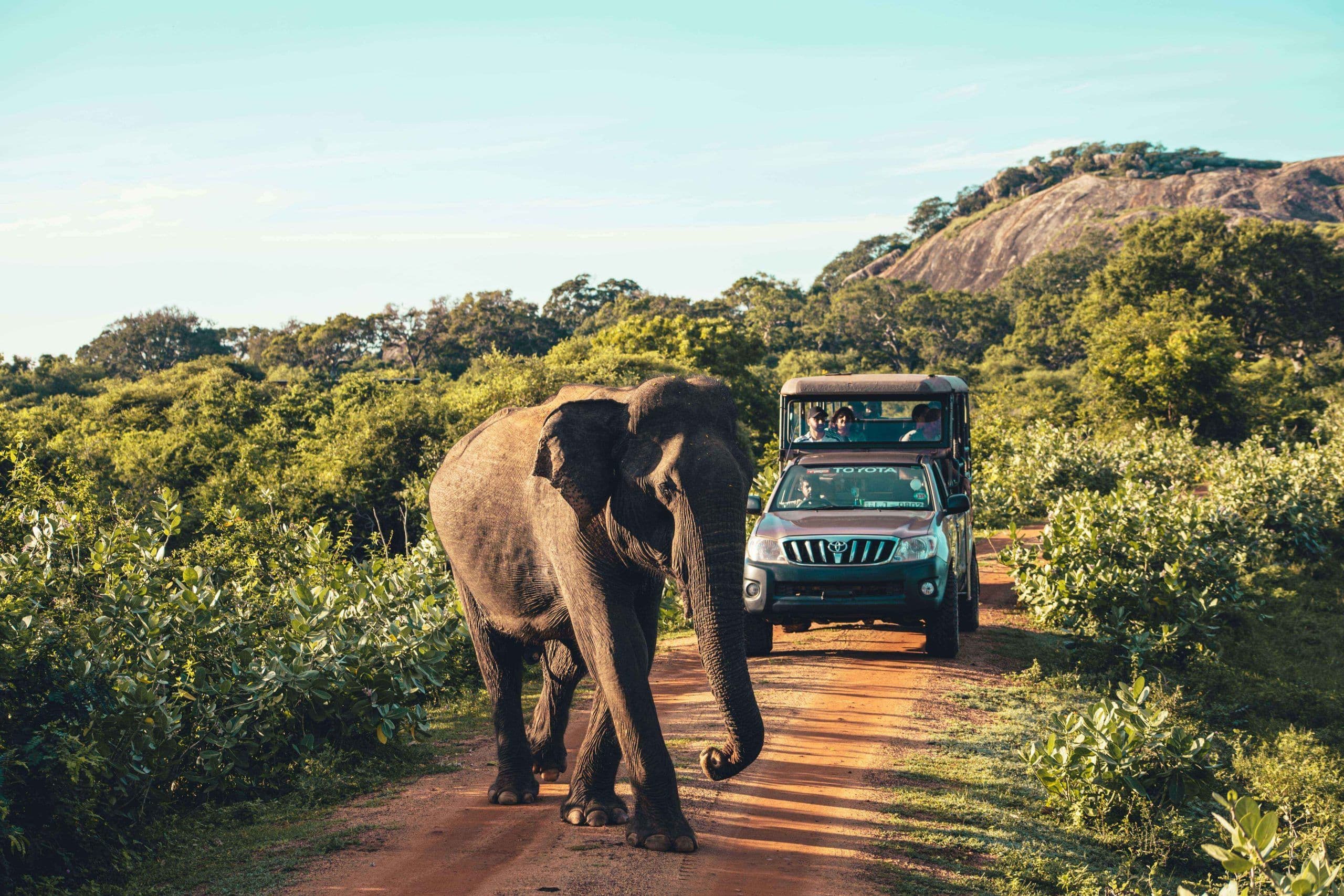
While the leopard is the star, Yala is a treasure trove of wildlife. Always remember that a sighting is a gift, not a guarantee. If the feline remains hidden, take solace in the other magnificent animals: the massive Asiatic elephants, the endemic sloth bears, marsh crocodiles, and the vibrant array of birdlife. The overall Yala safari experience, in all its raw, wild beauty, is magnificent even without the main event.

Your Ultimate Leopard Quest Checklist
- Book a Morning (6 AM) or Afternoon (4 PM) safari.
- Focus your search on Yala Block 1 (near waterholes and gala).
- Listen intently for the alarm calls of deer and monkeys.
- Look up for leopards resting in low tree branches or guarding kills.
- Choose a responsible safari operator who respects the wildlife.
- Practice absolute silence and patience during a sighting.
The Sri Lankan leopard (Panthera pardus kotiya) is the island nation's apex predator and arguably the most coveted wildlife sighting in Asia. Yala National Park is legendary, boasting one of the highest densities of leopards in the world. Yet, these magnificent cats remain elusive masters of camouflage. Seeing one is never guaranteed, but it is a reward for patience, knowledge, and strategic planning.
If you are embarking on a safari, this comprehensive guide provides the vital strategies and insider tips used by professional trackers to significantly increase your odds of witnessing Yala’s beautiful, solitary hunters.
Phase 1: Strategic Timing and Location
The single biggest factor in your quest is controlling the when and where of your search.
The Golden Hours: Time of Day is Crucial
Leopards are primarily crepuscular, meaning their peak activity aligns with the cooler, lower light conditions of dawn and dusk. This is when they are actively hunting, moving between territory, or seeking water.
- Morning Safari: The first two hours after sunrise (6:00 AM - 8:30 AM) are excellent. The cool temperature encourages leopards to move before seeking the dense, shady cover they occupy during the heat of the day.
- Afternoon Safari: The last two hours before sunset (4:00 PM – 6:30 PM) are often the best. As the temperature drops, the leopards emerge from their daytime dens to hunt or mark territory.
Location, Location, Location: Focus on Yala Block 1
While Yala encompasses multiple zones, Block 1 (Ruhuna National Park) remains the focus for leopard sightings due to its accessibility and the sheer concentration of the cats.
- The Rocky Outcrops (Gala): These large, smooth granite formations are critical. Leopards frequently use them as sunbathing spots, lookout towers for scouting prey, and safe havens for sheltering their cubs. Always scan the tops and shaded bases of these formations.
- Waterholes and Lagoons: In dry months, every animal gravitates toward water. These are vital congregation points, making them prime hunting locations for leopards.
- The Coastal Fringe: The area around Patanangala beach and the lagoon fringes are surprisingly productive, as the leopards hunt for axis deer and wild pig along the boundary of the dense vegetation and the coast.
Seasonal Considerations
The high tourist season (January to April) features dry weather and sparser vegetation, which can make spotting easier. Conversely, the transition months, particularly September to October following the heavy monsoons, offer more abundant water sources, causing the animals to move more widely and unpredictably, which can make the quest harder but more rewarding.
Phase 2: Decoding Leopard Behavior and Tracking
Don’t rely on luck alone. Knowing how and why a leopard moves is the difference between a glimpse and an unforgettable encounter.
Listen to the Warning Calls ; The Safari Gold Standard
This is the number one reliable indicator of a leopard's presence. When a leopard is approaching, its natural prey will emit a distinctive, sustained alarm.
- Spotted Deer (Axis Deer): The alarm is a sharp, repeated, barking call. If the call is frantic, the leopard is very close or actively moving.
- Sambhar Deer: A loud, deep, nasal honk or 'phew' sound.
- Langur Monkeys: An agitated, sustained alarm call accompanied by frantic shaking of branches from the treetops.
When you hear this, instruct your driver to stop, kill the engine, and wait patiently. The leopard is likely hiding, moving, or preparing to cross.
Image Placement: Next to the "Warning Calls" text. Image Type: Description: A clear photo of the prey animals that act as natural alarm systems for the leopard.
Look Up: The Tree Stash
Leopards are excellent climbers and often haul large kills such as deer or wild pig up into the lower, sturdy branches of trees. They do this to protect their meal from ground scavengers like sloth bears and jackals. Always scan the tree canopy for a dark shadow or a partially eaten carcass that signals a leopard is either resting nearby or guarding its food.
Reading the Ground: Fresh Pug Marks
Your experienced jeep driver and tracker are constantly scanning the dusty or muddy tracks for recent evidence. A fresh paw print (known as a pug mark) that hasn't been disturbed by other traffic or dried by the sun is a high confidence indicator that a leopard has passed through that precise area very recently. Following a fresh trail can lead directly to a sighting.
Phase 3: Safari Ethics and Maximizing the Experience
A successful leopard quest requires patience, respect, and proper behavior at the sighting location.
Choosing Your Operator Wisely
Select a safari operator with a proven reputation for responsible tourism. The best drivers know the leopard’s habits, territory, and, crucially, respect park regulations. They will ensure your jeep maintains a safe and legal distance, prioritizes the animal’s welfare over a photo opportunity, and avoids dangerously speeding between locations.
The Art of Patience (And Absolute Silence)
Once you arrive at a potential sighting whether due to an alarm call or another jeep reporting a sighting, demand silence. Turn off the engine. Loud chatter, camera clicks, or the continued sound of the engine will stress and scare the shy animal deeper into the bush. Patience is the ultimate tracker's tool; often, the longer you wait in silence, the more comfortable the leopard becomes and the more likely it is to emerge.
Manage Your Expectations ; Enjoy the Full Wild Experience
While the leopard is the star, Yala is a treasure trove of wildlife. Always remember that a sighting is a gift, not a guarantee. If the feline remains hidden, take solace in the other magnificent animals: the massive Asiatic elephants, the endemic sloth bears, marsh crocodiles, and the vibrant array of birdlife. The overall Yala safari experience, in all its raw, wild beauty, is magnificent even without the main event.
Your Ultimate Leopard Quest Checklist
- Book a Morning (6 AM) or Afternoon (4 PM) safari.
- Focus your search on Yala Block 1 (near waterholes and gala).
- Listen intently for the alarm calls of deer and monkeys.
- Look up for leopards resting in low tree branches or guarding kills.
- Choose a responsible safari operator who respects the wildlife.
- Practice absolute silence and patience during a sighting.
Enjoyed this story? Share it
About the Author
Sahan Jayasuriya
A passionate wildlife explorer and travel storyteller dedicated to uncovering the wild secrets, majestic leopard trails, elephant migrations, and the vibrant untamed beauty of Yala National Park — the wild heart of Sri Lanka.